 4.9 Star 115+ Customer Reviews

A garage door should open and close with relatively little noise and steady movement. If yours has started squeaking, shaking, or moving unevenly, it’s worth paying attention. These changes may seem minor at first, but they can indicate worn components, alignment problems, or excessive strain on the garage door opener.
For homeowners in Lawrenceville, GA, addressing these warning signs early can help prevent more extensive damage and keep the garage door operating safely. The key is understanding what different noises and movements might mean and knowing when to call a professional.
What Causes a Garage Door to Squeak?
A squeaking garage door often indicates friction between moving components. Rollers, hinges, and other hardware experience repeated movement every time the door opens and closes. Over time, they may become worn or require maintenance.
Worn or Dry Rollers
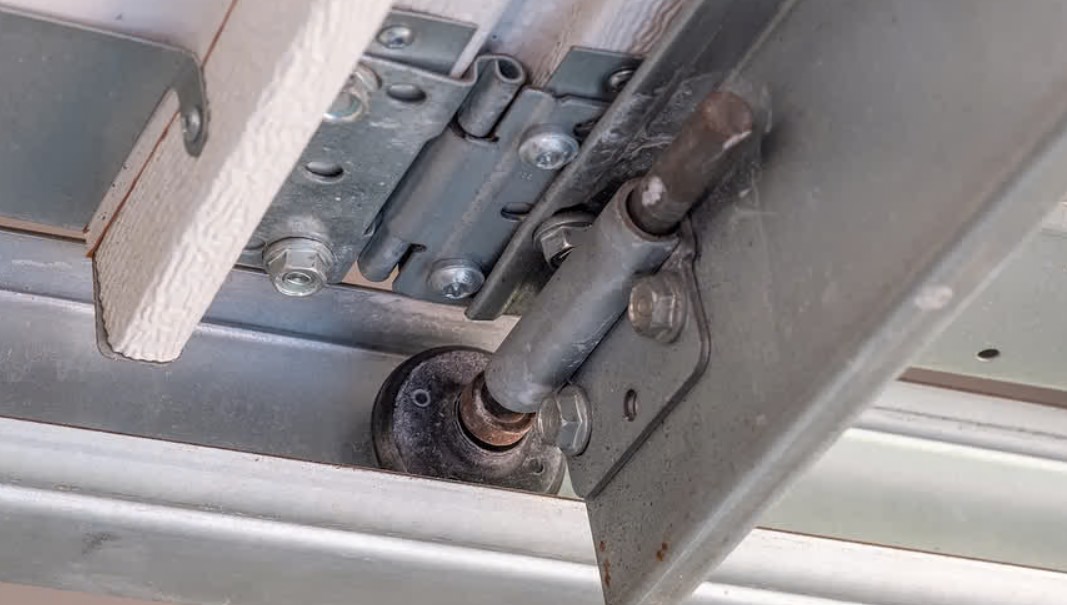
Garage door rollers travel along the tracks and help guide the door through its opening and closing cycle. If rollers become worn, damaged, or excessively dry, they may produce squeaking or grinding sounds.
The type of roller can also influence how much noise the door makes. Worn rollers may need replacement, while some maintenance issues can be addressed through appropriate lubrication.
Hinges That Need Attention
Hinges connect the individual sections of a sectional garage door. As the door moves, these hinges pivot repeatedly, and friction or wear can create squeaking sounds.
A visual inspection may reveal rust, damage, or loose hardware. However, hinges should not be adjusted while the door is moving, and damaged components should be evaluated before the system is used again.
Insufficient Lubrication
Certain garage door components require periodic lubrication according to the manufacturer’s recommendations. Without it, friction can increase and moving parts may become noisier.
Using the correct lubricant is important. Applying products to the wrong components or using an unsuitable lubricant can attract dirt or interfere with operation.
If you’re unsure which parts need attention, a professional maintenance visit can help identify the source of the noise.
Why Does a Garage Door Shake While Opening or Closing?
Shaking is different from ordinary operating noise. If your garage door vibrates noticeably, jerks during movement, or appears unstable, the problem may involve alignment, worn hardware, or the door’s balance.
Loose Hardware
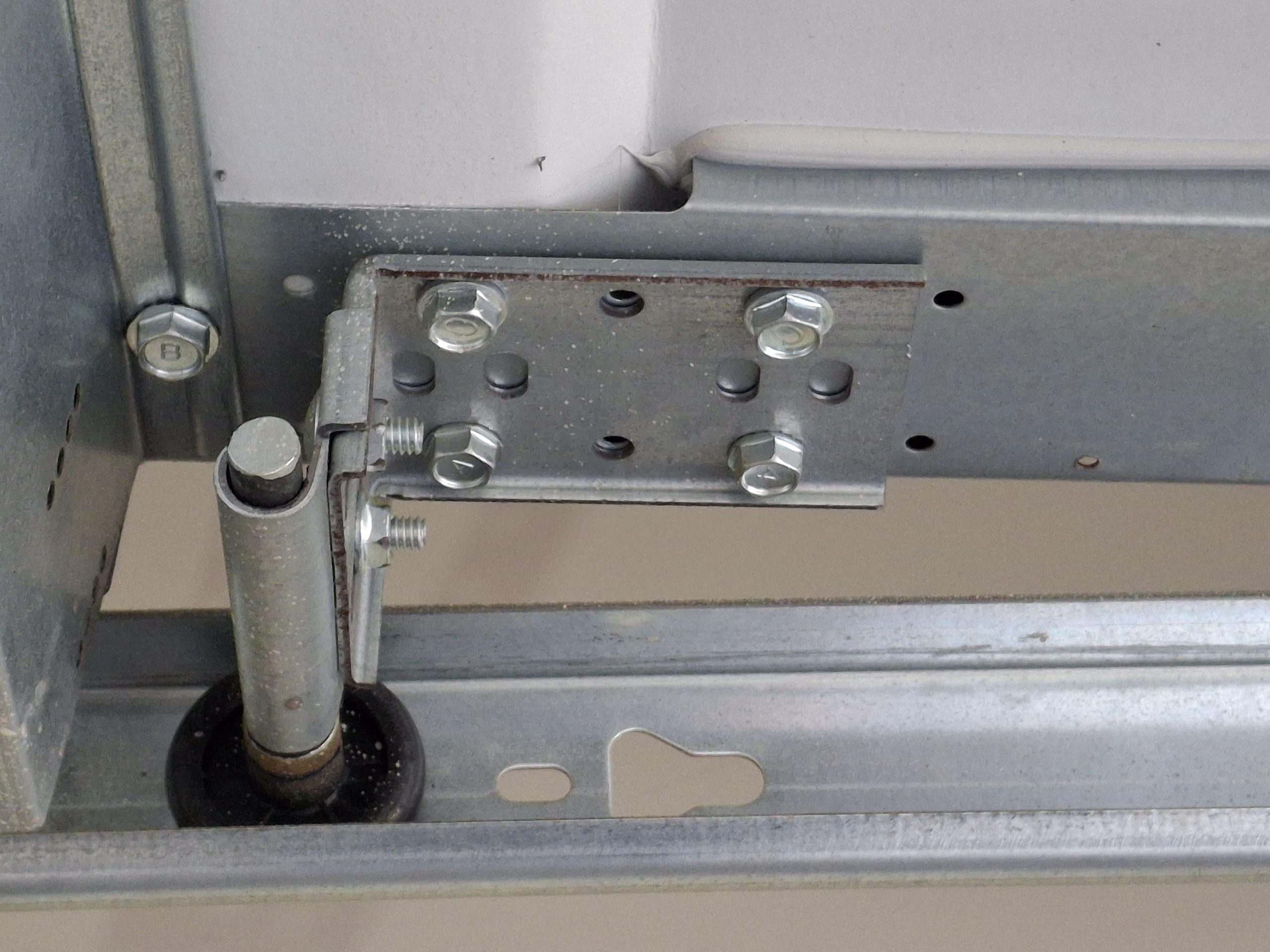
Garage doors contain numerous bolts, brackets, hinges, and other fasteners. Repeated operation can contribute to wear and looseness over time.
Loose hardware may cause rattling or vibration as the door moves. In some cases, the movement becomes more noticeable when the door changes direction.
Although checking for visible loose parts can be useful, don’t attempt to tighten hardware connected to springs, cables, or other high-tension components. These parts can be dangerous to handle without proper training.
Worn Rollers or Damaged Tracks
Rollers that no longer move smoothly can cause the door to shake or travel unevenly. Damaged, bent, or misaligned tracks may create similar symptoms.
You might notice that the door moves smoothly through part of its travel before suddenly vibrating or making a scraping noise.
Don’t try to bend a track back into position yourself. Misalignment can affect the door’s stability and create additional strain on the opener.
Problems With the Garage Door Opener
Sometimes, the source of the vibration is the opener rather than the door itself. Loose mounting hardware, worn drive components, or motor problems can contribute to unusual movement or noise.
If the door and its hardware appear normal but the opener vibrates excessively, professional diagnosis can help determine whether the motor, mounting system, or another component needs attention.
What Does Uneven Garage Door Movement Mean?
A garage door that rises unevenly, tilts to one side, or appears crooked may have a more serious mechanical problem.
Unlike occasional squeaking, uneven movement can affect the stability of the entire system.
Broken or Weak Springs
Garage door springs counterbalance the door’s weight, allowing it to open and close without placing excessive strain on the opener.
When a spring breaks or loses its ability to provide proper support, the door may become difficult to lift, move unevenly, or stop working altogether.
In systems with multiple springs, a problem affecting one spring can also disrupt the door’s balance.
Spring replacement is not a safe DIY project because these components are under substantial tension. If you suspect a spring has broken, stop operating the door and contact a qualified technician.
Damaged or Frayed Cables
Garage door cables work with the spring system to support and control the door’s movement. Damaged, loose, or frayed cables can cause the door to become crooked or hang unevenly.
If you notice a cable hanging loose or the door sitting at an angle, do not attempt to reposition the cable yourself. Avoid operating the opener, keep people away from the door, and arrange professional service.
An Unbalanced Door
A properly balanced garage door should move in a controlled manner with assistance from its spring system. If the balance is incorrect, the opener may struggle to lift the door or may experience additional wear.
An unbalanced door can also move unpredictably, making it a safety concern.
A technician can evaluate the springs, cables, and related hardware to determine whether the door needs adjustment or component replacement.
Can Weather Affect Garage Door Operation in Lawrenceville, GA?
Weather can influence how garage doors operate throughout the year. Lawrenceville experiences seasonal temperature changes, humidity, and periods of heavy rain, all of which can affect certain components.
Moisture may contribute to corrosion on exposed metal parts, while dirt and debris can accumulate around tracks and other moving components.
Temperature changes can also affect some materials and lubricants. If a garage door becomes noticeably noisier or begins moving differently during seasonal transitions, it may be time for an inspection.
Weather isn’t necessarily the cause of every garage door problem, however. Worn springs, damaged rollers, and alignment issues should be considered when symptoms persist.
Simple Garage Door Maintenance That Can Help
Routine maintenance can reduce unnecessary wear and help identify developing problems before they lead to a breakdown.
Homeowners can take a few basic precautions:
- Keep the area around the garage door tracks clear of debris.
- Listen for new squeaks, grinding sounds, or repeated rattling.
- Look for visible damage to rollers, hinges, cables, and springs from a safe distance.
- Check that the door opens and closes consistently.
- Schedule professional inspections when unusual movement or noise develops.
Avoid touching springs and cables, loosening structural hardware, or adjusting the opener’s force settings to compensate for a mechanical problem.
If the door becomes crooked, shakes severely, or refuses to move normally, stop using it until the cause has been identified.
Should You Repair or Replace the Garage Door Components?
The right solution depends on what’s causing the problem.
A door that squeaks because of a maintenance issue may only need appropriate servicing. Worn rollers, damaged hinges, or loose opener mounts may require specific component repairs.
More serious problems, such as broken springs, damaged cables, or significantly misaligned tracks, need professional attention before the door can be operated safely.
The age of the system and the frequency of previous repairs may also influence the decision. If several components are deteriorating at once, a technician can help you compare the cost of continued repairs with the benefits of replacing older equipment.
Correctly identifying the problem is essential. Replacing the opener won’t solve a broken spring, just as lubricating the rollers won’t correct a bent track.
Professional Garage Door Repair in Lawrenceville, GA
Squeaking, shaking, and uneven movement are signs that your garage door may need attention. Although some noises result from routine wear, changes in how the door moves can point to mechanical problems that shouldn’t be ignored.
The Garage Door Guys helps homeowners in Lawrenceville, GA, address garage door problems and maintain reliable operation. Whether your door has become noisy, vibrates during movement, or appears uneven, a professional inspection can help identify the cause and determine the appropriate repair.
Taking action when the first warning signs appear can help protect your garage door system, reduce unnecessary strain on the opener, and keep everyday access to your home running smoothly.