 4.9 Star 115+ Customer Reviews

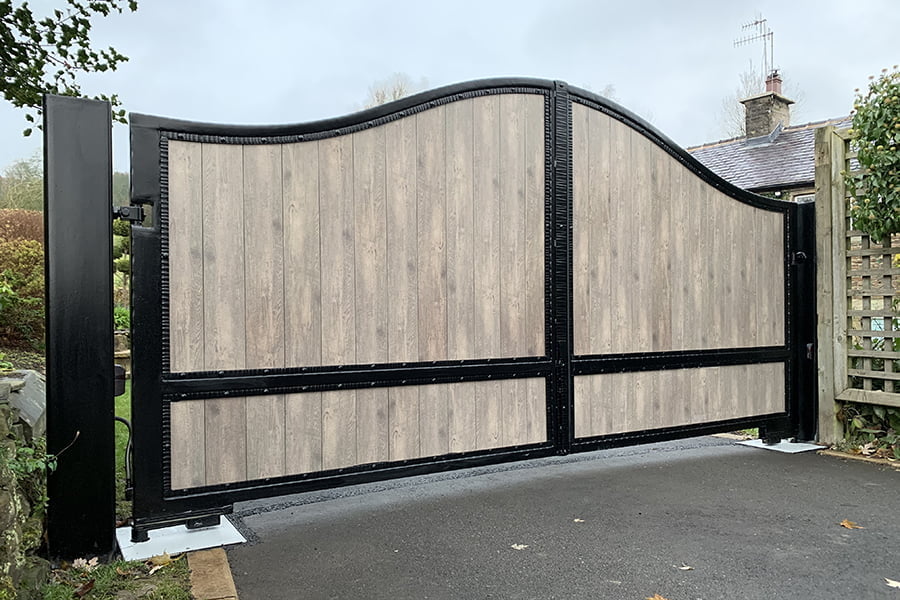
An electric gate opener makes entering and leaving your property more convenient. Instead of getting out of your vehicle to open a gate manually, you can use a remote, keypad, or compatible smartphone system to control access. But when the opener suddenly stops responding, even a routine trip can become frustrating.
Electric gate opener problems can have several causes, from a dead remote battery to an electrical fault or a mechanical obstruction. Knowing what to look for can help you identify simple issues and recognize when professional service is necessary.
For property owners in Lawrenceville, GA, understanding these common problems can make it easier to maintain a reliable gate system. The Garage Door Guys can help diagnose electric gate opener issues and determine the appropriate repair.
Start With the Power Supply
When an electric gate opener stops working completely, the first thing to consider is whether it’s receiving power.
Depending on the system, an electric gate opener may rely on a direct electrical connection, a transformer, a battery, or a combination of power sources. A tripped circuit breaker, interrupted power supply, or failed battery can prevent the operator from functioning.
If your gate has stopped responding, check whether other equipment connected to the same power source is working. You can also look for visible signs that the system has lost power, such as an inactive indicator light.
Don’t open electrical enclosures or handle exposed wiring. If the power supply appears faulty, contact a qualified technician to inspect the system safely.
Some gate openers include battery backup, which can keep the system operating during a power outage. However, backup batteries have a limited capacity and eventually need replacement.
Check the Remote Control or Keypad
Sometimes the gate opener itself is working properly, but the device used to activate it isn’t communicating with the system.
A remote with a weak battery may have a reduced operating range or stop working altogether. If your gate uses a keypad, worn buttons, incorrect code entry, or a power issue may prevent access.
Start with simple checks. Replace the remote battery if needed, make sure you’re using the correct access code, and test another authorized remote if one is available.
If none of the controls work, the issue may involve the receiver, wiring, or control board rather than the remote itself.
You should also consider whether the remote has been damaged by moisture, impact, or prolonged exposure to extreme temperatures. Replacing a faulty control device may solve the problem without requiring repairs to the entire gate operator.
Look for Obstructions Around the Gate
Electric gates need a clear path to open and close. Dirt, gravel, fallen branches, leaves, or other debris can interfere with movement, particularly on sliding gate systems.
Walk around the gate and look for anything blocking its path. Check the visible track, rollers, hinges, and surrounding area for debris or signs of damage.
For sliding gates, accumulated dirt or objects in the track can create resistance. Swing gates may have difficulty moving if vegetation, uneven ground, or other obstacles interfere with their travel.
Remove loose debris only when it’s safe to do so and the gate is not moving. Never reach into moving components or attempt to force a gate past an obstruction.
If the gate still struggles after the area is cleared, there may be a mechanical problem that requires professional attention.
Pay Attention to Unusual Noises
An electric gate opener that makes new or unusual noises may be showing signs of mechanical wear.
Grinding, clicking, humming, or repeated motor sounds without gate movement can indicate different problems. Worn gears, damaged rollers, misaligned tracks, loose hardware, or a struggling motor may all affect operation.
A gate that makes noise but doesn’t move should not be forced to operate repeatedly. Continued attempts can place additional strain on the motor and other components.
Pay attention to when the noise occurs. For example, a sound that appears only while the gate is closing may point to a different issue than a motor that hums continuously without moving the gate.
A technician can inspect the system, identify the source of the noise, and determine whether a repair or component replacement is needed.
Check the Safety Sensors
Many electric gate systems use safety devices designed to prevent the gate from closing when a vehicle, person, or other obstruction is detected.
If the gate stops unexpectedly, refuses to close, or reverses direction, a sensor problem may be responsible. Dirty lenses, misalignment, damaged wiring, or a blocked detection area can interfere with normal operation.
Look for visible dirt or objects around the sensors and remove obstructions when it is safe. If the sensors appear damaged or the problem continues, arrange a professional inspection.
Never bypass safety devices to force the gate to operate. These features help reduce the risk of injury and property damage, and they should be tested as part of routine maintenance.
Understand the Difference Between Swing and Sliding Gate Problems
The type of gate you own can influence the cause of an opener malfunction.
Swing Gates
Swing gates open inward or outward using hinges and one or more operating arms. Problems can develop when hinges wear out, the gate becomes misaligned, or the ground interferes with its movement.
If a swing gate begins dragging or stops before reaching its normal position, the issue may involve the gate’s structure or hardware rather than the opener alone.
Sliding Gates
Sliding gates move horizontally along a track or use a trackless cantilever system. Common trouble spots include rollers, guide components, debris, and alignment.
If the gate moves unevenly or appears to bind, the operator may be working harder than it should. Continued use can increase wear on the drive mechanism.
Both systems need to be properly balanced and aligned so the opener can move the gate without excessive resistance.
Could the Motor or Control Board Be Failing?
When basic checks don’t resolve the problem, the fault may be inside the opener.
The motor supplies the force needed to move the gate, while the control board manages commands from remotes, keypads, sensors, and other connected devices.
Electrical faults, damaged components, overheating, or general wear can interfere with these functions. In some cases, the opener may operate intermittently before failing completely.
Diagnosing these issues often requires specialized testing. Replacing parts without identifying the actual cause can waste money and leave the underlying problem unresolved.
A professional can evaluate the operator, test its electrical components, and recommend a repair based on the system’s condition.
How Regular Maintenance Helps Prevent Gate Opener Problems
Routine maintenance can help identify small issues before they interrupt access to your property.
A typical inspection may include checking the gate’s alignment, examining hinges and rollers, testing safety devices, inspecting visible wiring, and evaluating the opener’s performance.
Moving components should be lubricated according to the manufacturer’s recommendations. Not every part requires lubrication, and using the wrong product can attract dirt or damage certain materials.
It’s also helpful to keep the area around the gate clear and pay attention to changes in operating speed, noise, or movement.
The frequency of maintenance depends on the system, usage, environmental conditions, and manufacturer guidelines.
When to Call for Electric Gate Opener Repair
Some issues, such as a depleted remote battery or visible debris, may be easy to identify. Other problems require professional diagnosis, especially when electrical components, damaged hardware, or safety devices are involved.
Stop using the gate if it moves unpredictably, becomes unstable, makes severe grinding noises, or fails to respond safely. Keep people and vehicles clear until the system has been inspected.
The Garage Door Guys provides electric gate opener service in Lawrenceville, GA, helping property owners identify operating problems and restore dependable access. Whether your gate has stopped responding, struggles to move, or reverses unexpectedly, a professional inspection can help determine the cause and the best path toward a lasting repair.