 4.9 Star 115+ Customer Reviews

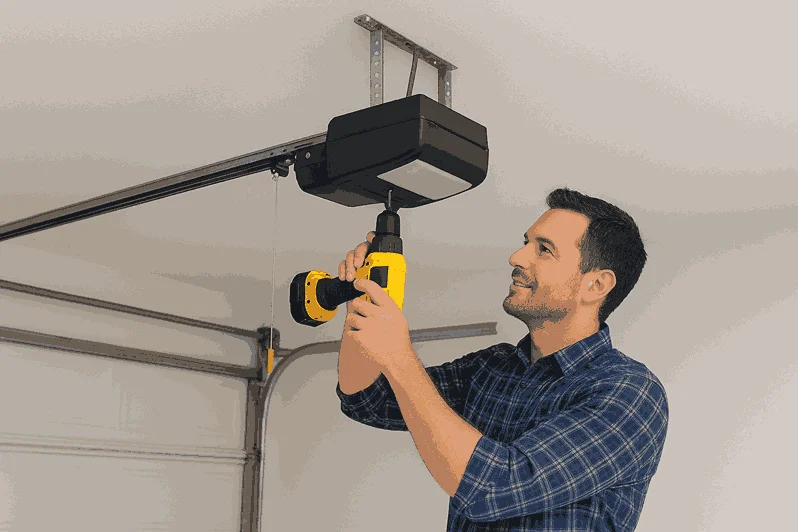
A garage door opener is one of those household conveniences you rarely think about until it stops working. Whether you’re leaving for work, coming home after dark, or trying to keep your family safe, a reliable garage door opener makes everyday life easier. When it begins acting up, ignoring the warning signs can lead to inconvenient breakdowns or safety risks.
Many garage door opener problems start small before becoming more serious. Learning to recognize the early symptoms can help you schedule service before you’re stuck with a door that won’t open or close.
The Garage Door Guys helps homeowners with garage door opener repair in Lawrenceville, GA, addressing common problems and restoring reliable operation.
1. The Garage Door Doesn’t Respond Every Time
One of the most common signs of a failing opener is inconsistent operation. Sometimes the door opens perfectly, while other times nothing happens when you press the remote or wall button.
Several issues can cause this, including worn electrical components, a failing motor, loose wiring, sensor communication problems, or remote control issues.
If the problem happens repeatedly, it’s worth having the system inspected before it stops working altogether. A technician can determine whether the issue comes from the opener itself, the remote, or another part of the garage door system.
2. Your Opener Makes Strange Noises
Garage door openers naturally make some noise, but unusual sounds often signal developing problems. Grinding, clicking, buzzing, or humming may indicate that something isn’t working as it should.
Grinding noises can point to worn gears, while humming without movement may indicate a struggling motor or another mechanical issue. Clicking sounds might be related to electrical components or the opener’s control system.
Pay attention when the sound changes from the opener’s usual operating noise. Addressing unusual sounds early can help prevent further damage and reduce the likelihood of a complete breakdown.
3. The Door Opens Slowly or Stops Midway
A properly functioning garage door opener should move the door smoothly and consistently. If it suddenly becomes slower than usual or stops halfway, something may be interfering with normal operation.
Possible causes include motor wear, incorrect opener settings, damaged drive components, or excessive resistance in the garage door system. In some cases, the problem may involve the springs or tracks rather than the opener itself.
Because these components work together, a professional inspection can identify the actual cause. Avoid forcing the door to move, especially if it appears unusually heavy or struggles to stay open.
4. The Remote Only Works Occasionally
Few things are more frustrating than pressing the remote multiple times before the garage door finally responds.
Before assuming the opener has failed, check the remote’s batteries and make sure it hasn’t lost its programming. Signal interference can also affect performance.
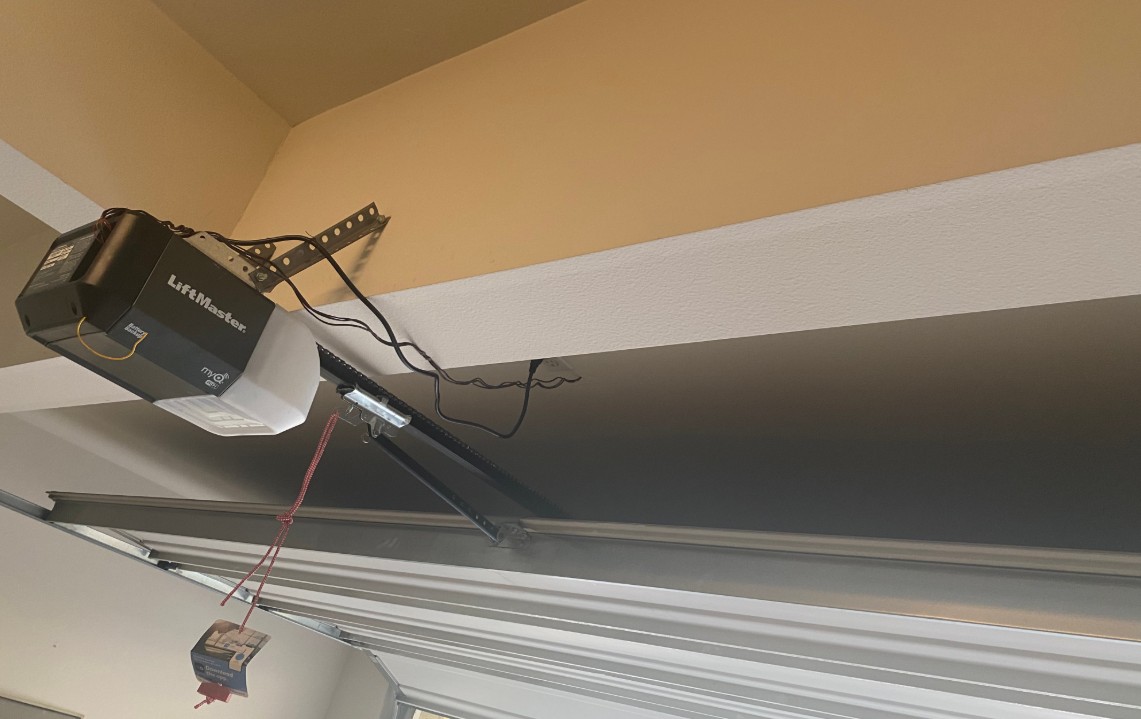
If these simple checks don’t resolve the problem, the opener’s receiver or internal electronics may require attention. A technician can test the system and determine whether repairing the opener or replacing the remote is the better solution.
A reliable opener should respond consistently from a reasonable distance, allowing you to enter and leave your garage without repeated attempts.
5. The Safety Sensors Keep Preventing the Door From Closing
Modern garage door openers use photo-eye safety sensors to prevent the door from closing when something blocks its path. These sensors are an important safety feature, especially in homes with children and pets.
Sometimes, the door refuses to close even when the opening appears clear. Dirty sensor lenses, misalignment, damaged wiring, or sensor failure can cause this behavior.
Check for visible dirt or objects obstructing the sensors. If the problem continues, professional service may be necessary.
Never disable the safety sensors to get the door working. Properly functioning sensors help prevent injuries and damage to vehicles or belongings.
6. The Garage Door Reverses Unexpectedly
Does your garage door reach the floor and then immediately reverse? This may indicate that the opener detects resistance or believes the door has encountered an obstacle.
Possible causes include incorrect travel limits, force setting problems, sensor issues, or mechanical resistance. The door may also reverse if a component is worn or damaged.
Although adjusting settings might seem like a simple fix, incorrect adjustments can interfere with safe operation. A technician can inspect the opener and door mechanism to identify the source of the problem and make the necessary corrections.
7. Your Opener Is More Than 10–15 Years Old
Garage door openers aren’t designed to last forever. Many provide years of dependable service, but motors, gears, circuit boards, and other components eventually wear out.
Older openers may become noisier, operate less consistently, or require increasingly frequent repairs. They may also lack modern features such as smartphone connectivity, improved security technology, and newer safety systems.
If your opener is approaching 15 years old and repairs are becoming more common, replacement may be the more practical long-term investment. A professional can evaluate its condition and help you compare repair costs with the benefits of installing a new unit.
What Causes Garage Door Opener Problems?
Normal wear and tear is one of the most common causes of opener trouble. Daily use gradually affects motors, belts, chains, gears, and electrical components.
Poor maintenance can also contribute to problems. Loose hardware, worn parts, and mechanical resistance may place additional strain on the opener over time.
Electrical issues, including power surges and damaged wiring, can interfere with performance as well. In Lawrenceville, changing temperatures and humidity may also affect certain garage door components and their operation.
Regular inspections help identify these issues before they develop into more significant problems.
Should You Repair or Replace Your Garage Door Opener?
The right decision depends on the opener’s age, condition, and repair history.
Repair is often worthwhile when the opener is relatively new, the motor remains in good condition, and the problem involves a single replaceable component.
Replacement may make more sense when the opener is aging, repairs are becoming frequent, important safety features are outdated, or you want quieter operation and modern smart home capabilities.
A professional assessment can help you understand your options without replacing equipment that still has useful life remaining.
Professional Garage Door Opener Repair in Lawrenceville, GA
A malfunctioning garage door opener can affect your home’s security, safety, and daily routine. Whether your opener has become noisy, responds inconsistently, or has stopped working completely, addressing the problem early can help prevent more costly repairs.
The Garage Door Guys provides garage door opener repair in Lawrenceville, GA, helping homeowners identify problems and restore dependable garage door operation. If you notice any of these warning signs, arranging an inspection can help you determine the next step and keep your garage door functioning safely.